
“Ways of Seeing” by John Berger
In his short novel, Ways of Seeing, John Berger argues that the relationship between our vision, illustrations, and ways we use our words to describe the illustrations is skewed. He explains this statement by specifying that we see the sun set every night, but we know that is isn’t actually “setting” it’s simply rotating away from the earth. Therefore, what we see doesn’t really paint a perfect picture of what is actually occurring. He also claims that when we try to recreate or replicate an image, its value is diminished. He states that when recreating an image, the original way the artist or photographer perceived their subject is destroyed. Adversely, I believe that in modern times, the recreation of images, drawings, and paintings has only increased it value and importance.
Yes, I know that with the internet and photo-shop, the originality of photographs is of utmost importance. But, the recreation of photographs and paintings provide another perspective or, in Berger’s words, another “way of seeing”. It allows people from all around the world to perceive and experience one painting, photograph, or drawing in a million different ways. In response to Berger’s claim, the reproduction will do nothing to the uniqueness and value of the original image. If that were true, the original The Starry Night painting by Vincent van Gogh would not be over 100 million dollars.
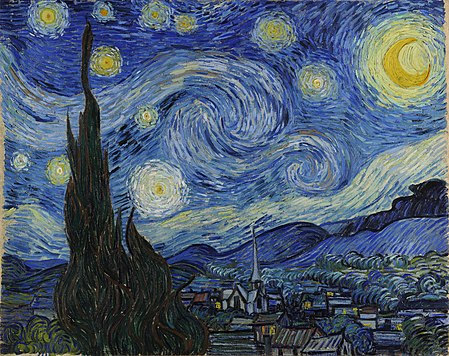
He also claims that the way we grasp and understand an image can affect how we feel about it. He believes that our impression of an image depends on inherited beliefs about its beauty, status, claim, and many more factors. I agree with Berger in that people in different backgrounds and demographics will perceive an image differently but, people in the same demographics and communities will also see the same image differently. Since people all around the world live different lives and have different experiences, they will have separate “ways of seeing”.
At the end of the chapter, Berger underlines the importance of taking the story of the art and connecting it to ourselves and our lives. This claim stuck out to me the most. I personally love experiencing art and music and relating it back to my own life and experiences. It brings me closer to the artist and allows me understand the artist’s innermost emotions, while trying to decode my own. In the end, I personally think it is not how much the painting is worth or whether it’s the original from the 1600’s, it’s what you take from it and what you gain from the experience.
 English 101 Blog